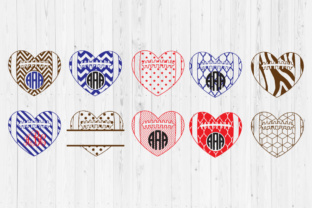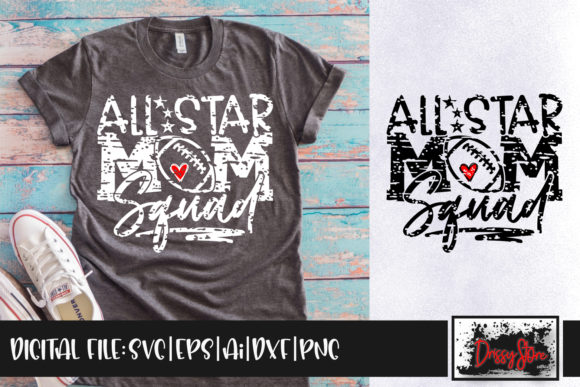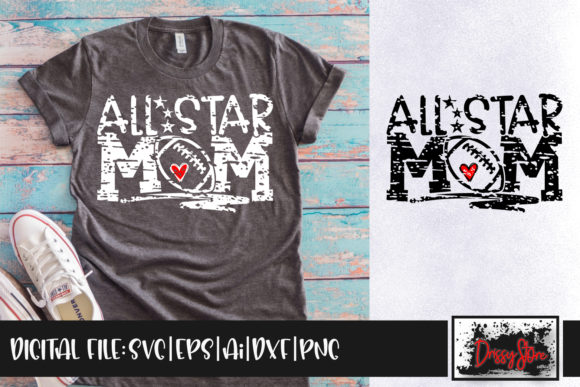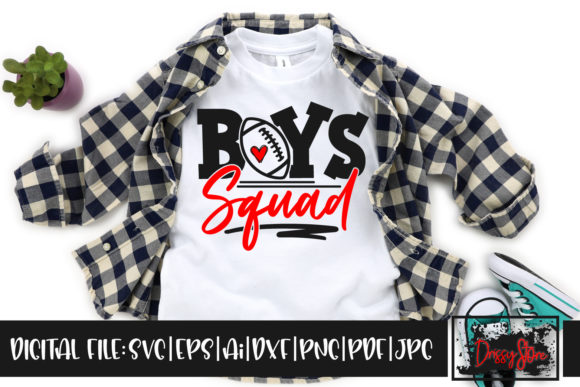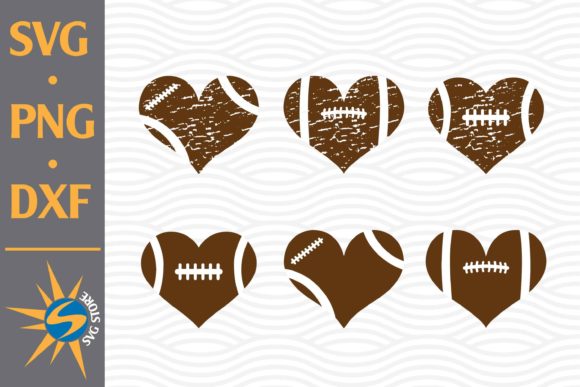
Heart Football, Distressed Football Graphics for Crafts
As a blog designer who’s built over 200 editorial websites and launched more than 80 digital products, I opened the Heart Football, Distressed Football download with one question: does this graphic design asset hold up under real publishing pressure? Not as a craft project or hobby file—but as a working element in blog graphics, newsletter headers, Pinterest pins, and downloadable resources that must earn trust, clicks, and conversions.
First impression? It lands with warmth and intention. The distressed texture—subtle grain, soft edge wear, gentle ink bleed—isn’t chaotic. It’s curated. This isn’t grunge for shock value; it’s tactile storytelling. Visually, it reads as playful yet grounded, seasonal but not dated, and artistic without sacrificing clarity. It leans into lifestyle, community, and heart-led themes—perfect for blogs covering youth sports culture, family fitness, school spirit, inclusive athletics, or emotional wellness through movement. It feels human, not algorithmic.
In editorial design, mood sets expectation before a single word is read. That’s why Heart Football, Distressed Football works so well as a featured image for an article like “How to Build Team Confidence Without Winning” or “Football-Themed SEL Activities for Middle School.” Its texture invites pause. Its shape anchors attention. And unlike flat vector footballs, the distressing adds narrative weight—like something passed down, worn in, believed in.
This graphic design asset shines across real publishing touchpoints:
- Blog featured images — layered behind bold headline text with generous spacing, it creates instant visual hierarchy without competing
- Pinterest pins — scaled cleanly at 1000×1500px, the distressed detail reads beautifully on mobile feeds and supports high CTR when paired with clear, benefit-driven copy
- Digital guides & lead magnets — used as a subtle watermark or corner accent in PDF worksheets, it reinforces theme without overwhelming content
- Newsletter banners — placed above the fold in MailerLite or ConvertKit templates, it signals topic focus while feeling warm and approachable
- Category thumbnails — consistent use across “Sports & Wellness,” “Youth Development,” or “Creative Learning” sections strengthens brand identity and improves category recognition
- Canva templates — imported as PNG (transparent background) or SVG (for scalable editing), it adapts seamlessly to social media graphics, Instagram carousels, and Reel thumbnails
- Printable designs — the included DXF and high-res PNG files make it production-ready for printed team handouts, classroom posters, or parent resource kits
What makes Heart Football, Distressed Football perform beyond aesthetics? It elevates reader trust. When your blog graphics feel intentional—not stock, not generic, not hastily cropped—you signal care. Readers subconsciously associate that care with your content quality. In affiliate marketing, where credibility drives clicks, that matters. A distressed football icon beside a review of coaching apps or mental skills journals doesn’t scream “sales”—it whispers “I get your world.”
It also supports stronger visual consistency across platforms. Use it once in a blog header, again as a bullet icon in a digital guide, and again as a divider in a Canva template—and readers begin recognizing your editorial rhythm. That repetition builds brand identity without needing a logo lockup. For small business branding, especially among online educators and creative entrepreneurs, that kind of quiet cohesion is gold.
Where does it work best? Hero images. Article thumbnails. Pinterest pins. Blog graphics embedded mid-post as visual breathers. Editorial accents—like a subtle border around a pull quote about resilience. Content upgrades like printable playbooks or reflection sheets. Category visuals in WordPress menus or Notion dashboards. Newsletter headers that land before the subject line is even scanned.
Use it carefully in these contexts:
- Small mobile thumbnails where texture blurs into noise
- Text-heavy blog images where contrast suffers against busy backgrounds
- Low-contrast layouts (e.g., light gray on white) that mute the distressing effect
- Busy editorial layouts with overlapping patterns or multiple icons
- Serious professional niches—think corporate HR training or medical compliance content—where tone misalignment risks credibility
- Websites built on ultra-minimalist design systems where even gentle texture feels disruptive
Practical publisher notes I applied before deploying Heart Football, Distressed Football:
- Tested on desktop and mobile previews—confirmed sharpness at 300px width and readability at thumbnail scale
- Previewed inside my live blog layout using Chrome DevTools’ device emulation—no clipping, no bleed issues
- Layered over 12 headline treatments: serif (Merriweather), sans serif (Inter), script (Dancing Script), handwritten (Caveat), and display (Bebas Neue)—all held up with proper contrast
- Checked black-and-white conversion—distressing remained legible, supporting accessibility and print use
- Verified file sizes: PNGs under 180KB (web-optimized), SVGs under 8KB (scalable, zero load penalty)
- Confirmed commercial license covers monetized blogs, affiliate pages, digital products, and Canva templates sold via Gumroad or Payhip
For content creators building authority through visual consistency—whether you’re launching a digital guide on youth leadership, designing a newsletter series for PTA volunteers, or creating Pinterest-optimized blog graphics for a seasonal football unit—Heart Football, Distressed Football isn’t just decoration. It’s a strategic editorial tool. It turns generic sports imagery into resonant visual language. It helps your audience feel seen before they scroll past. And in today’s crowded content landscape, that first impression isn’t just nice to have—it’s non-negotiable.
If you’re sourcing design assets from the creative marketplace, prioritize those that serve dual roles: beautiful *and* functional, expressive *and* reliable. Heart Football, Distressed Football delivers both. It belongs in your toolkit—not as a one-off craft file, but as a repeatable, trustworthy piece of your content marketing infrastructure.